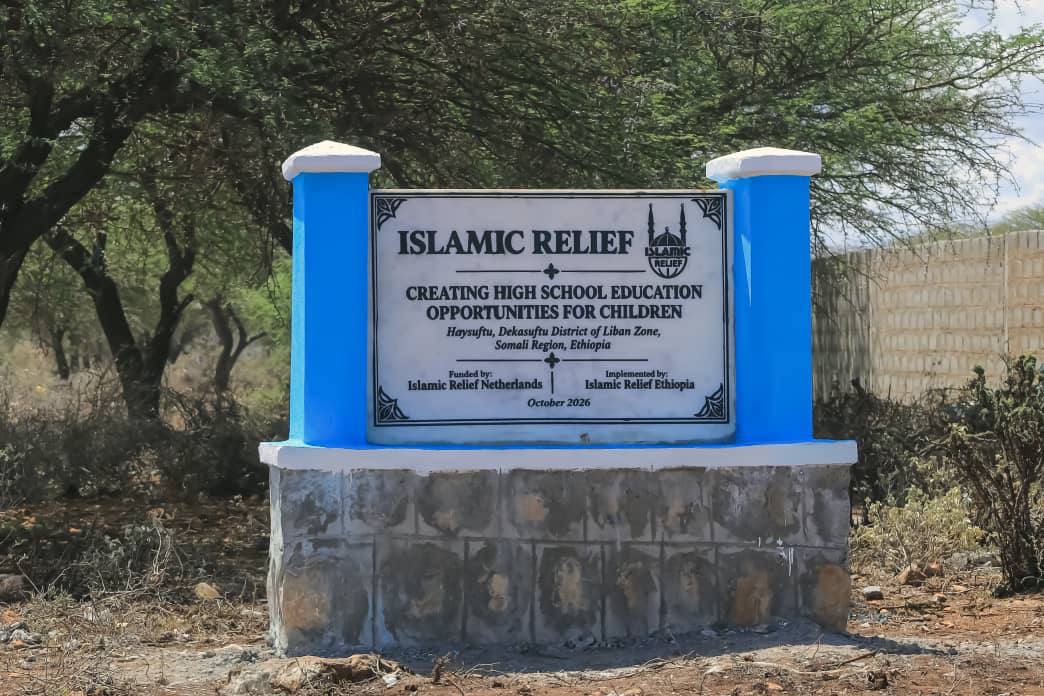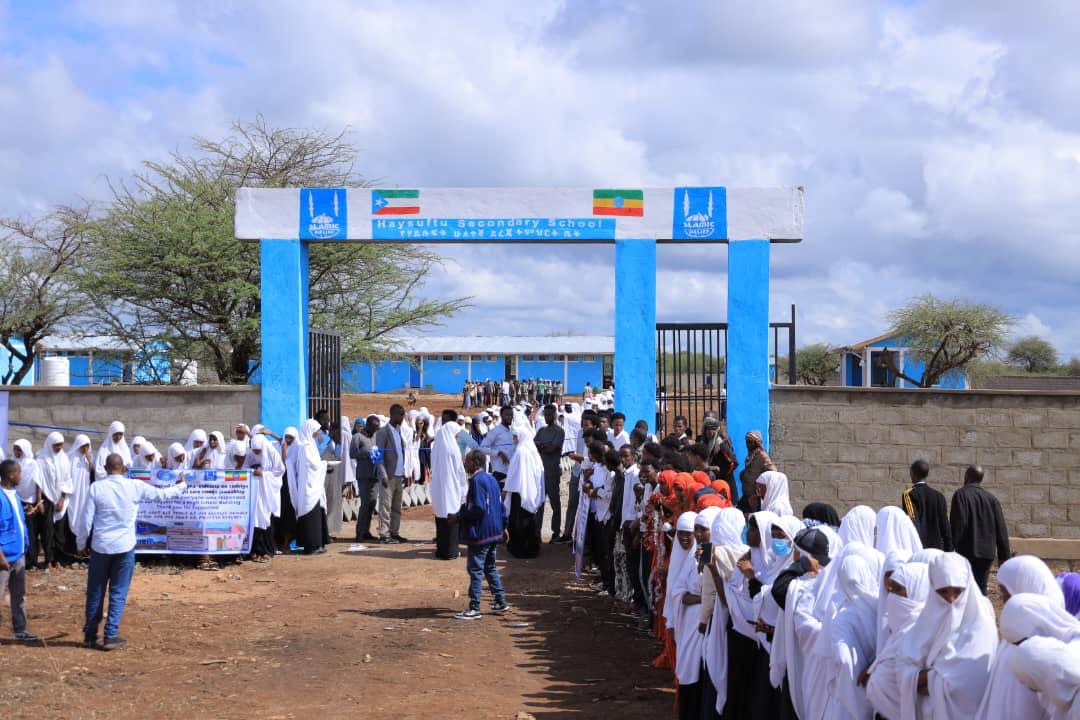
An education project funded by Islamic Relief Netherlands and implemented by Islamic Relief Ethiopia is expected to benefit 4,500 students in Ethiopia’s Somali Region, half of them girls.
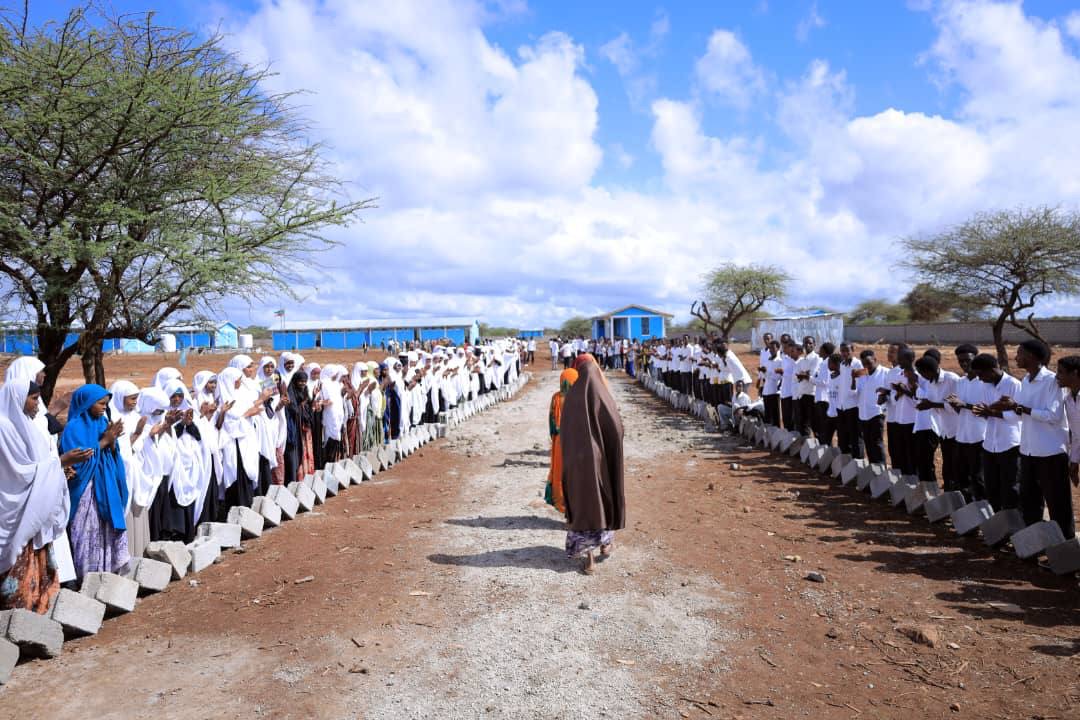
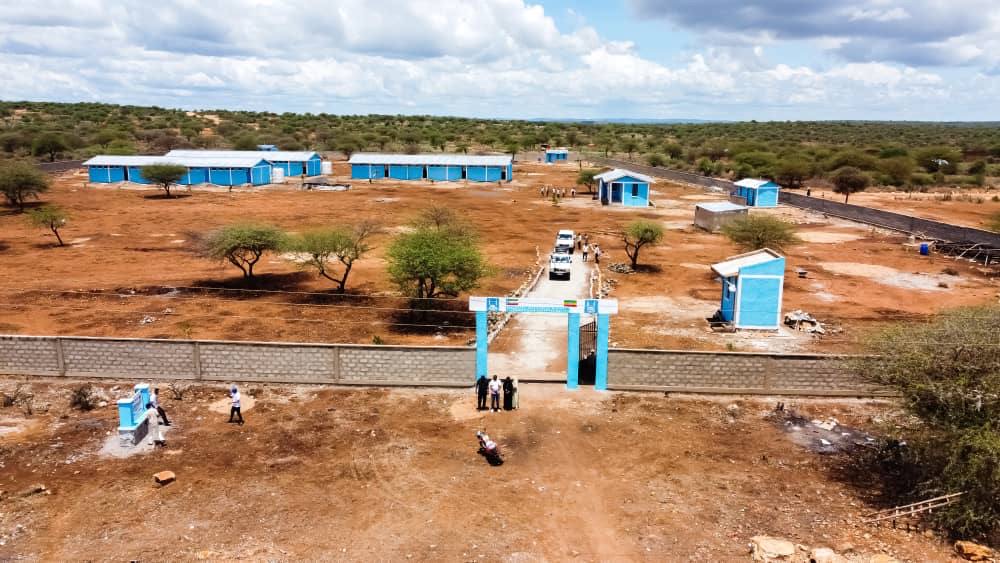
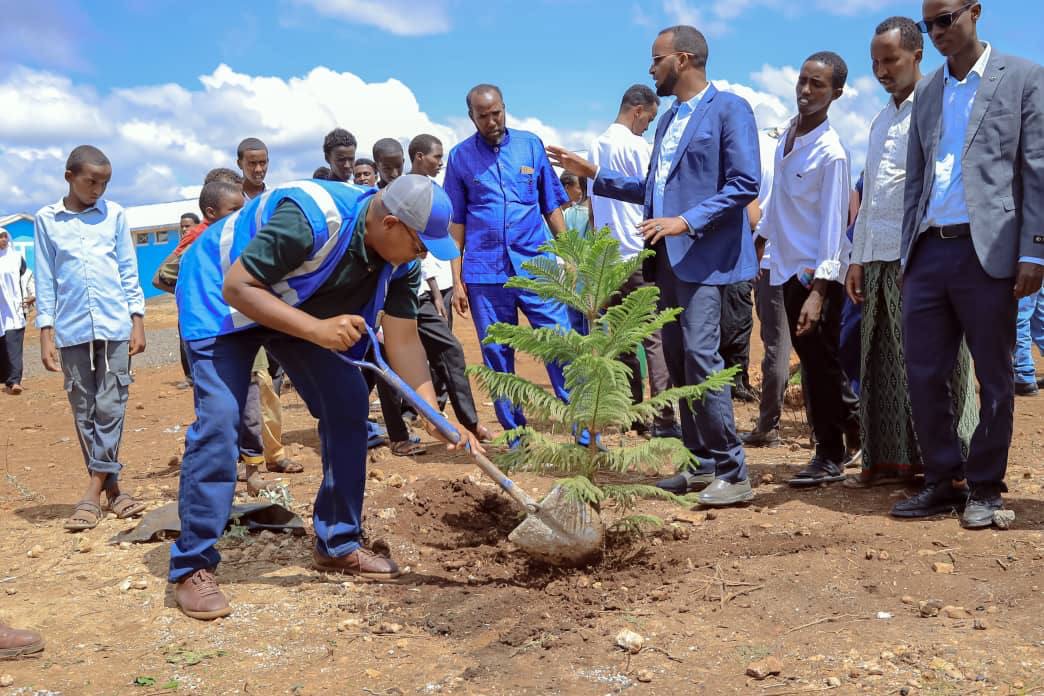
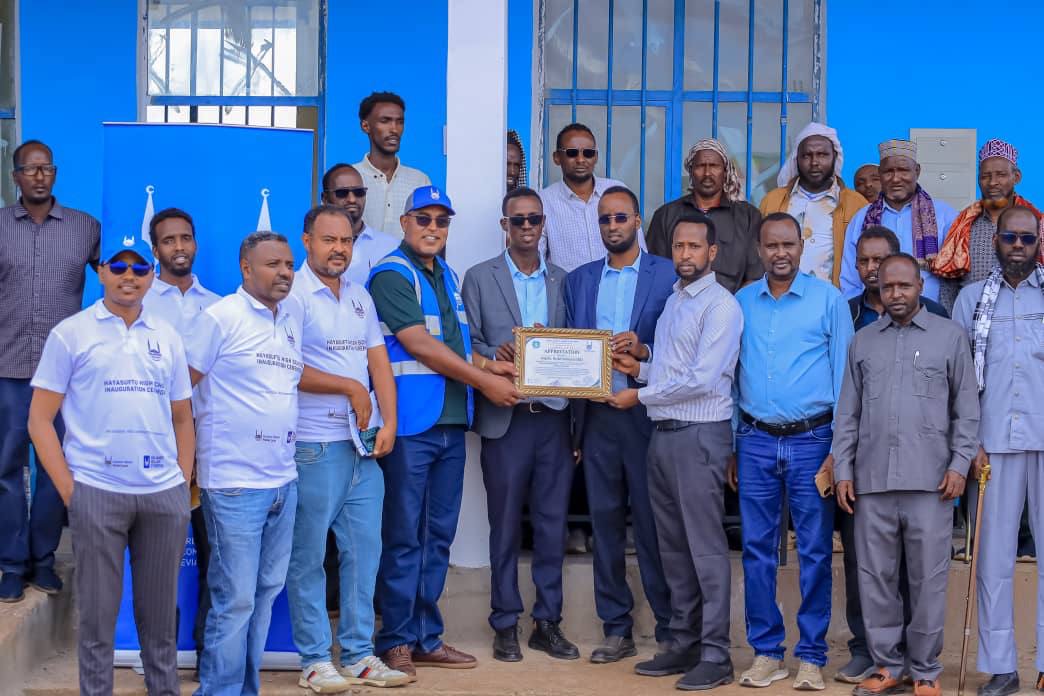
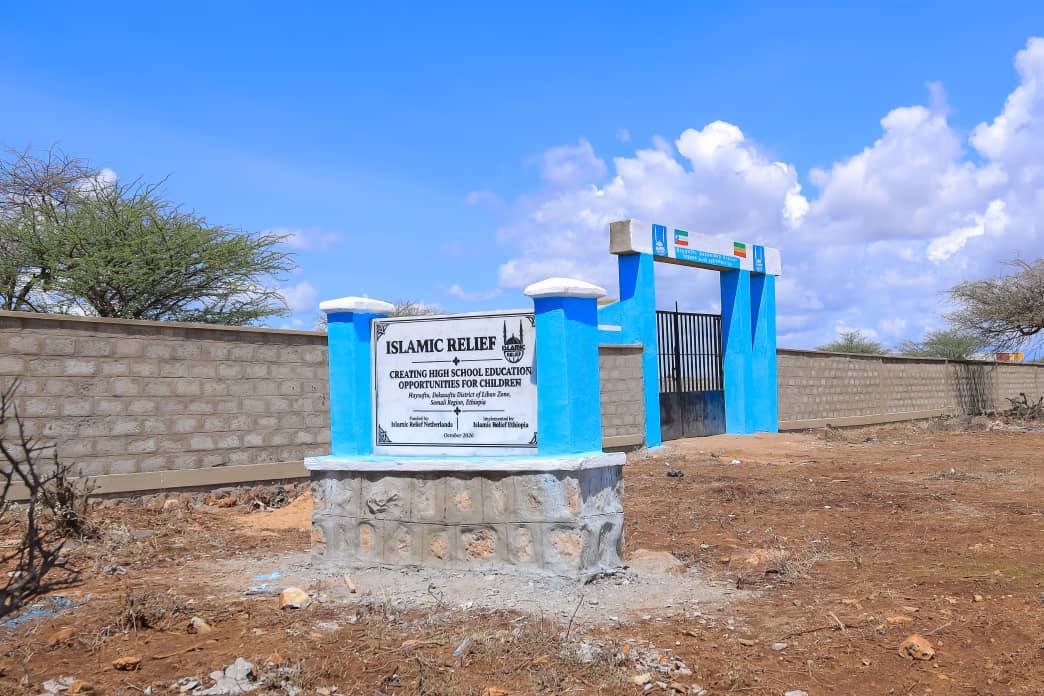
Islamic Relief Ethiopia, Liben Zone - Haysuftu High School was inaugurated on 5 October 2026, marking an important step towards expanding access to secondary education for underserved communities in Ethiopia’s Somali Region.
Constructed by Islamic Relief Ethiopia in Dekasuftu district, the school responds to a longstanding community request for secondary education closer to home. Its inauguration brought together the Haysuftu community, government partners and education authorities to celebrate the achievement.
Previously, students faced journeys of between 12 and 72 kilometres to reach the nearest secondary school, according to the local education office.
For families who sent their children away to study, annual expenses for accommodation, food, transport and other essentials could reach ETB 158,500. These barriers made continuing education difficult, particularly for families with limited resources.
The new school aims to ease these pressures by giving children the opportunity to pursue secondary education within their own community. The project is expected to directly benefit 4,500 students over time and indirectly reach around 27,000 family and community members.
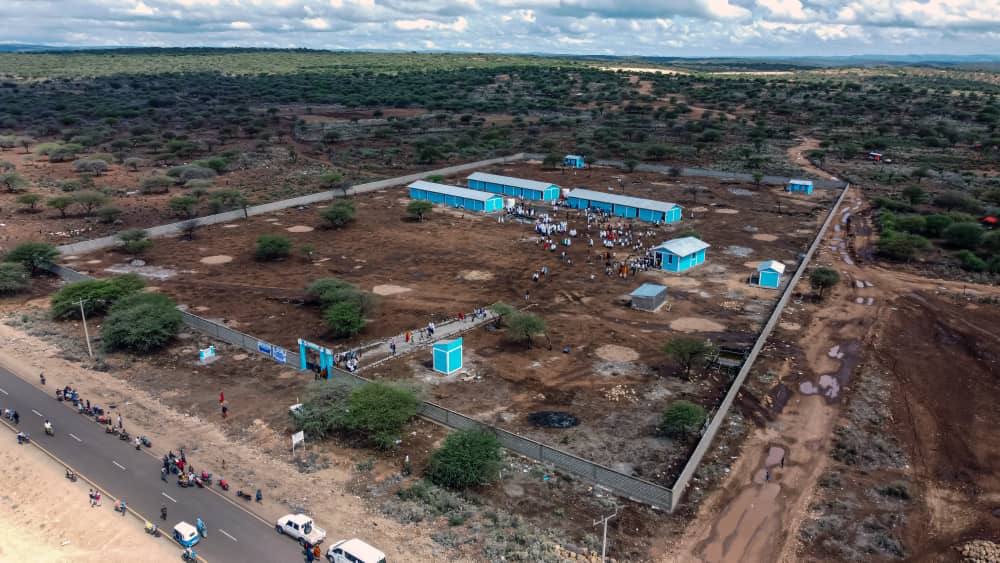
Built through a €500,000 project funded by Islamic Relief Netherlands, the campus includes three teaching blocks with 12 classrooms, an administration block and separate latrine facilities for girls, boys and staff. Rainwater harvesting facilities and two water storage tanks, each with a capacity of 10 cubic metres, support the school’s water needs.
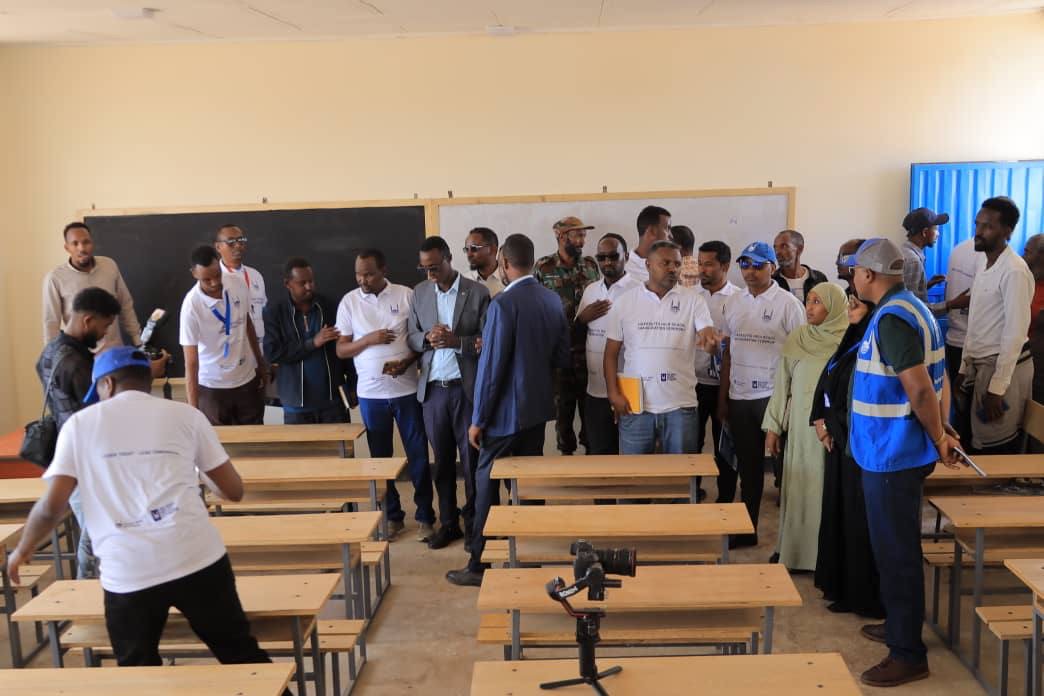
Islamic Relief Ethiopia also supplied 400 combined student desks, blackboards and whiteboards, teachers’ furniture, four desktop computers and a photocopier/printer to support teaching and school administration.
For girls, who account for half of the intended student beneficiaries, a nearby school can make continuing education more accessible. Reducing long journeys and the need to live away from home is expected to ease safety concerns that have contributed to students leaving school.
The community has played an active role in the project. Residents are building a perimeter fence valued at ETB 13 million and have committed to helping protect and maintain the school. Construction also created opportunities for 32 local labourers, suppliers and small retailers.
Completing the school required overcoming drought, water shortages and rising construction costs. Islamic Relief Ethiopia mobilised its technical and project teams to complete the remaining work, supported by cooperation with Islamic Relief Netherlands, regional authorities and the community.
Islamic Relief Ethiopia plans to utilize the remaining project resources to construct and equip a library, including reference books, reading tables, shelves, chairs, and ICT equipment, thereby providing students with enhanced learning opportunities and continued support for their education.